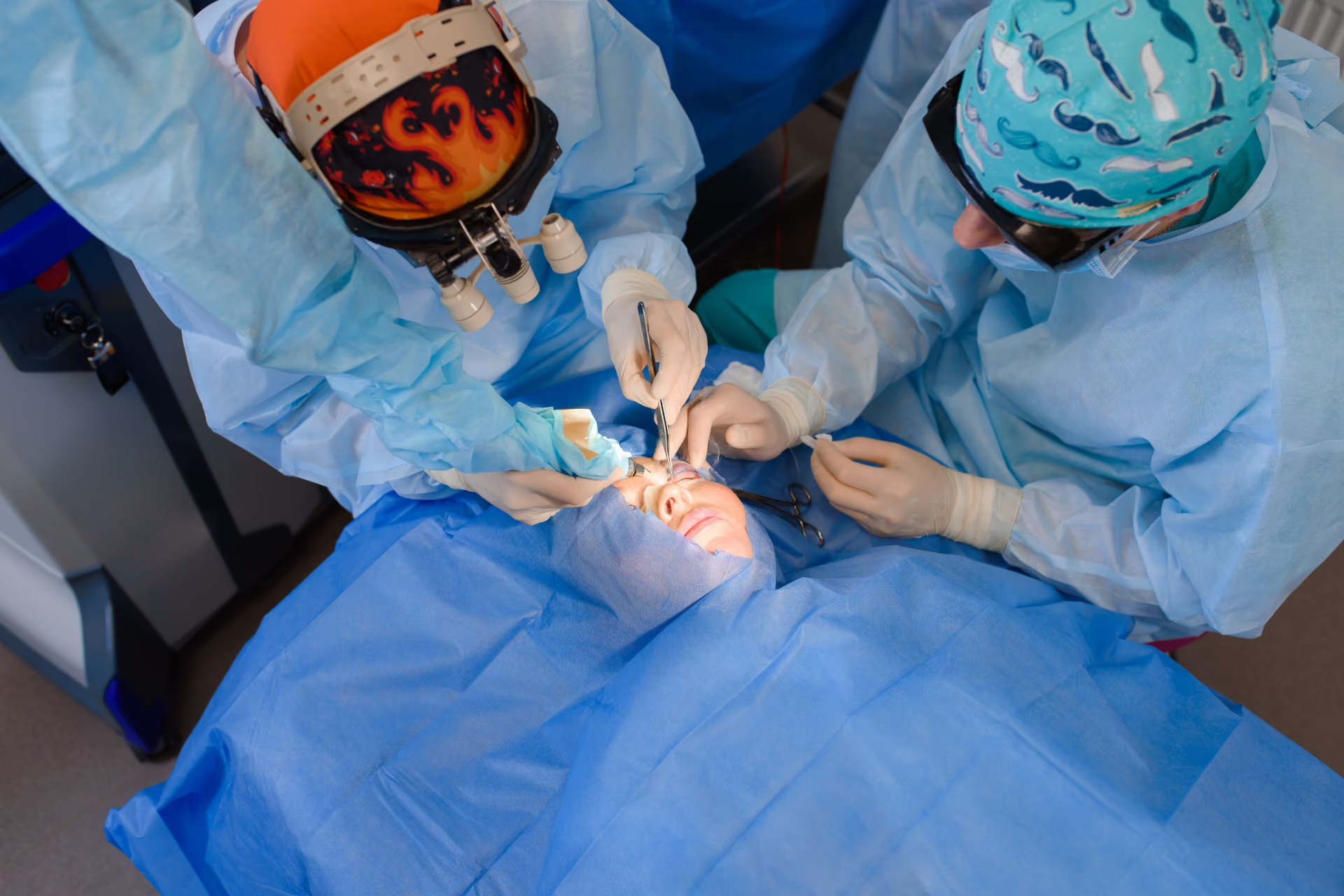
Blepharoplasty in Yerevan
Blepharoplasty can address excess upper-eyelid skin, lower-eyelid bags and selected contour changes around the eyes. It cannot guarantee perfect symmetry, remove every fine line or correct dark circles caused by pigmentation. Planning must preserve eyelid closure, support and the natural relationship between the eyelids, brows and cheeks.
Assessment includes excess skin, fat distribution, brow position, previous surgery, dry-eye symptoms and eyelid function. Brow descent may contribute to upper-eyelid heaviness and require a different or combined plan.
Assessment includes lower-eyelid bags, skin quality, eyelid support, tear-trough contour and cheek volume. Depending on anatomy, surgery may involve repositioning or conservative removal of fat, skin treatment, support procedures or fat grafting.
Candidates should have concerns that can reasonably be improved surgically and health that permits elective surgery. Dry-eye syndrome, thyroid eye disease, previous eyelid surgery, contact-lens problems, visual symptoms and current medications must be disclosed. Ophthalmic assessment may be recommended. Clear photographs and video support a preliminary virtual consultation, but final recommendations require in-person examination of eyelid tone, closure and eye health.
Bruising, swelling, temporary dryness, tearing, light sensitivity and tightness are common during the first days. Social recovery often improves over the following one to two weeks, while lower-eyelid swelling and final contour refinement can continue longer. International patients should arrive before surgery for examination and testing and generally remain in Yerevan for approximately 7–10 days so eyelid closure, wounds and early healing can be reviewed before travel.
Possible complications include bleeding, infection, delayed healing, dry-eye symptoms, visible scars, asymmetry, eyelid retraction or displacement, difficulty closing the eyes, persistent swelling, double vision and rare vision-related complications. Careful assessment and tissue handling are important, but no operation is free of risk.
Before-and-after cases can help illustrate upper-eyelid, lower-eyelid and combined treatment patterns, but they cannot predict another patient’s result. Case selection, incision planning and the amount of tissue treated depend on eyelid support, brow position, skin quality and eye health.
View Before & After ResultsThey can be combined when the medical assessment, eyelid support and expected operating time make a combined plan appropriate. Some patients are better served by treating one area first.
It may improve shadows caused by lower-eyelid bags or contour transitions, but pigmentation, thin skin and visible vessels may remain and require different treatment.
Photographs and video can support a preliminary assessment. Final planning requires in-person examination of eyelid tone, closure, eye surface symptoms and supporting anatomy.
Send relaxed front-facing, upward-gaze and side photographs together with information about dry-eye symptoms, visual problems, thyroid disease, previous eyelid surgery and injectable treatments. Relevant upper- and lower-eyelid cases can also be reviewed in the Before & After gallery.
Medically reviewed by Dr. Telman Arakelyan, plastic and maxillofacial surgeon. Last reviewed: July 2026. Final recommendations require examination and assessment of eye health.