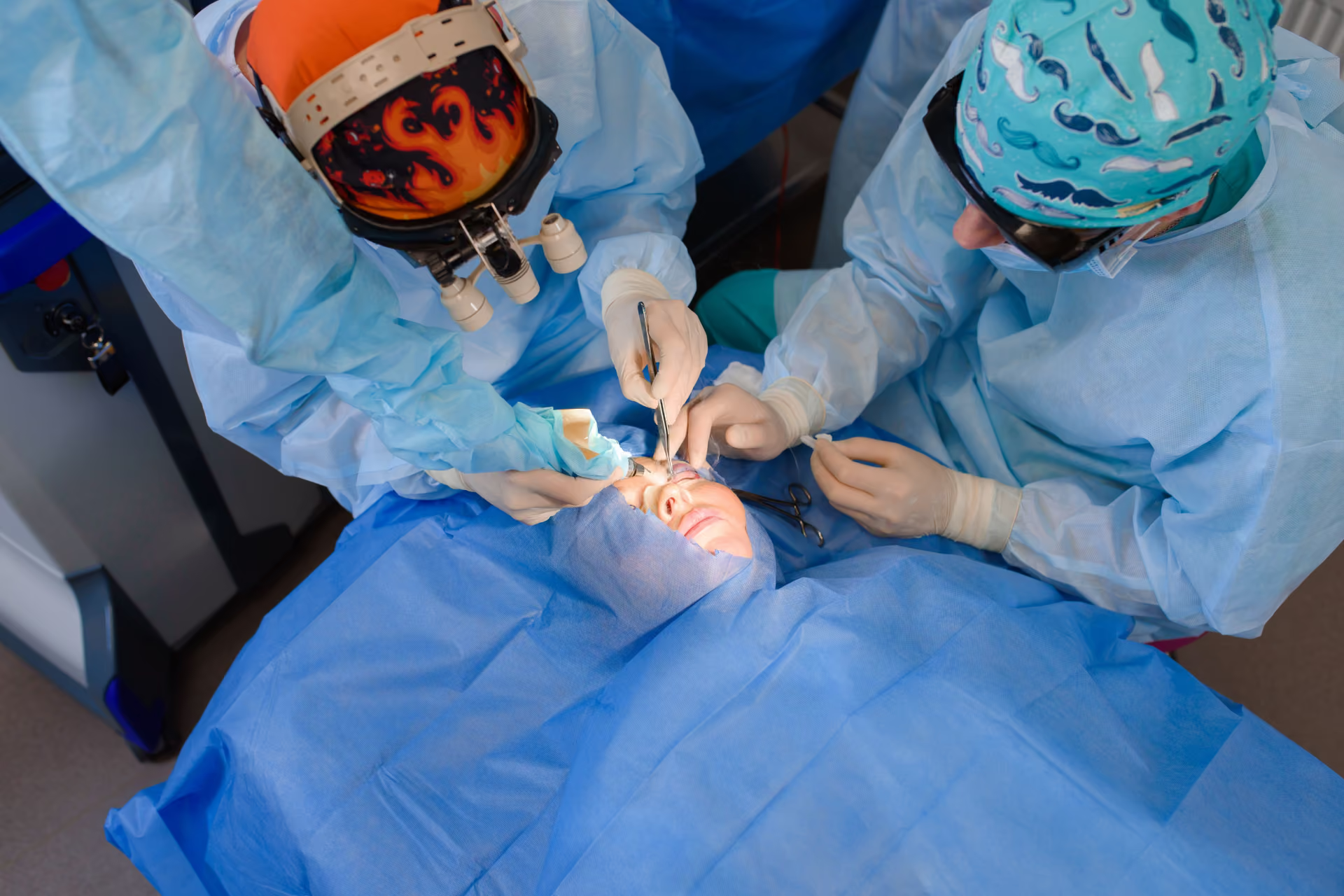



SIMULATION
Preoperative communication
Digital rhinoplasty simulation with Dr. Telman Arakelyan
Digital simulation can help a patient and surgeon discuss nasal proportions, priorities and the general direction of a rhinoplasty plan. It is a communication aid—not a promise or exact prediction of the final surgical result.
How simulation is used
Photographs are reviewed together with facial proportions, nasal structure, skin thickness, breathing symptoms and the patient’s concerns. The simulation may help compare possible changes to the bridge, tip, length, projection or nostril shape. Final recommendations can change after in-person examination because photographs cannot show every structural or functional detail.
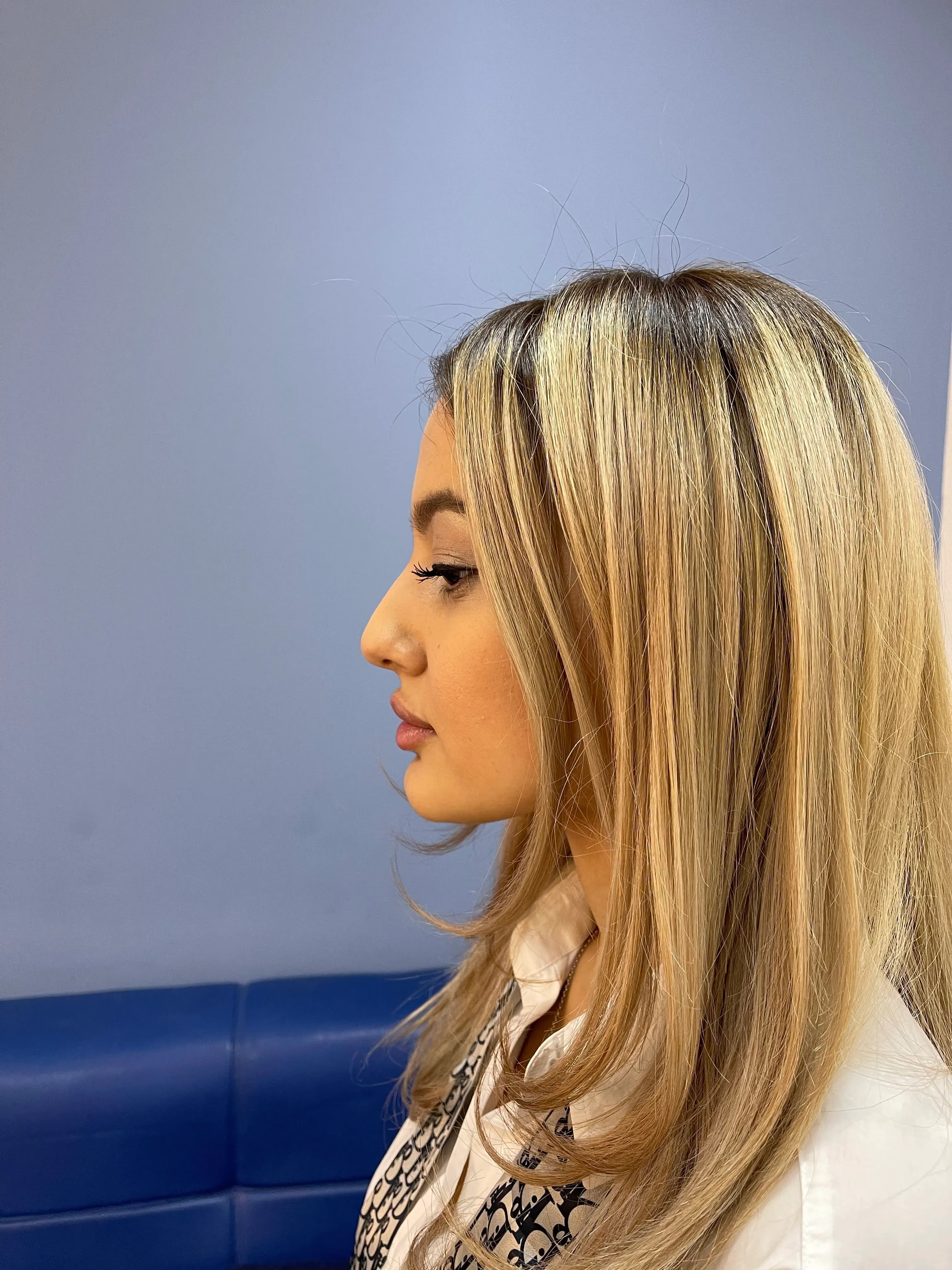
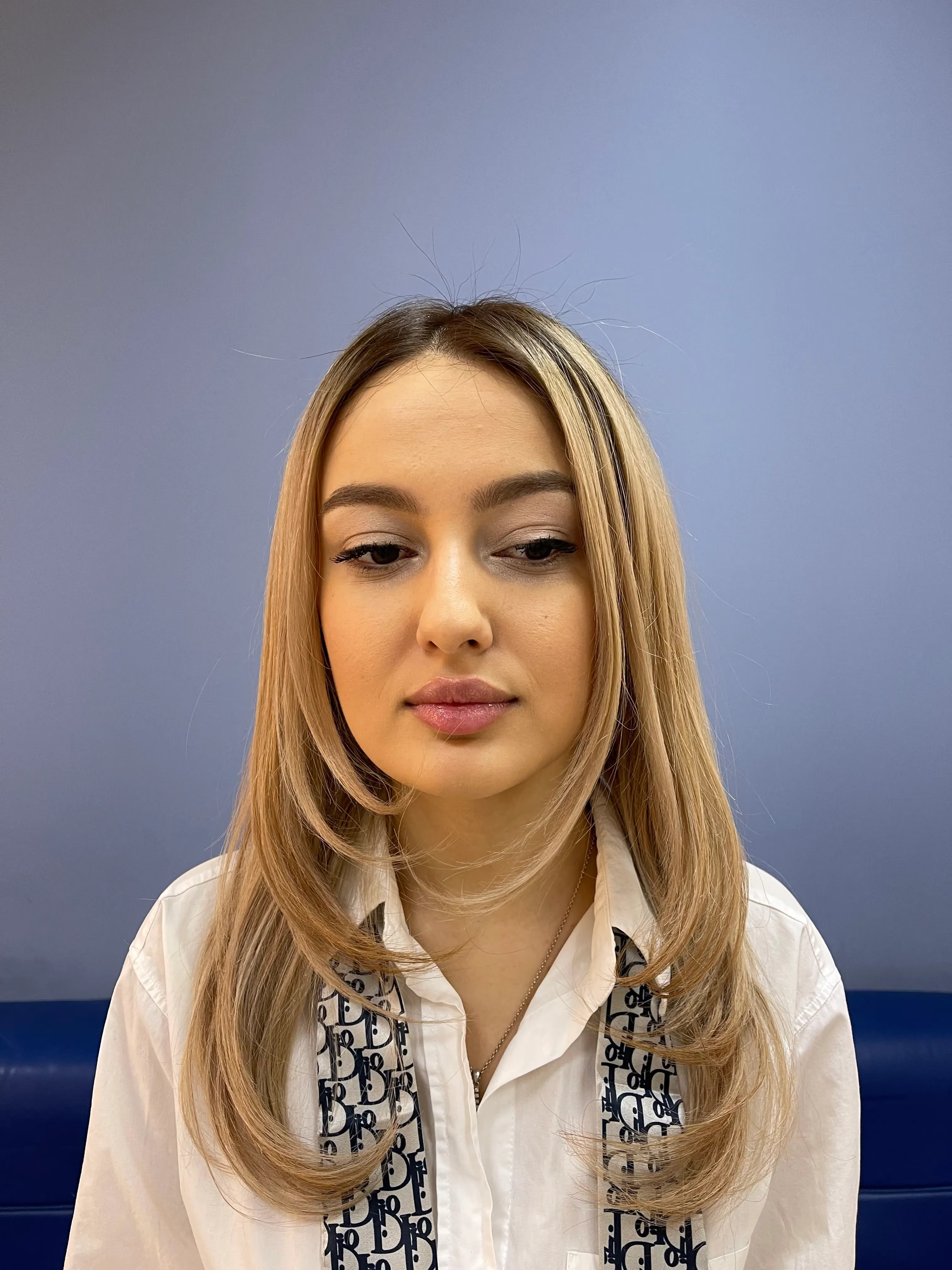
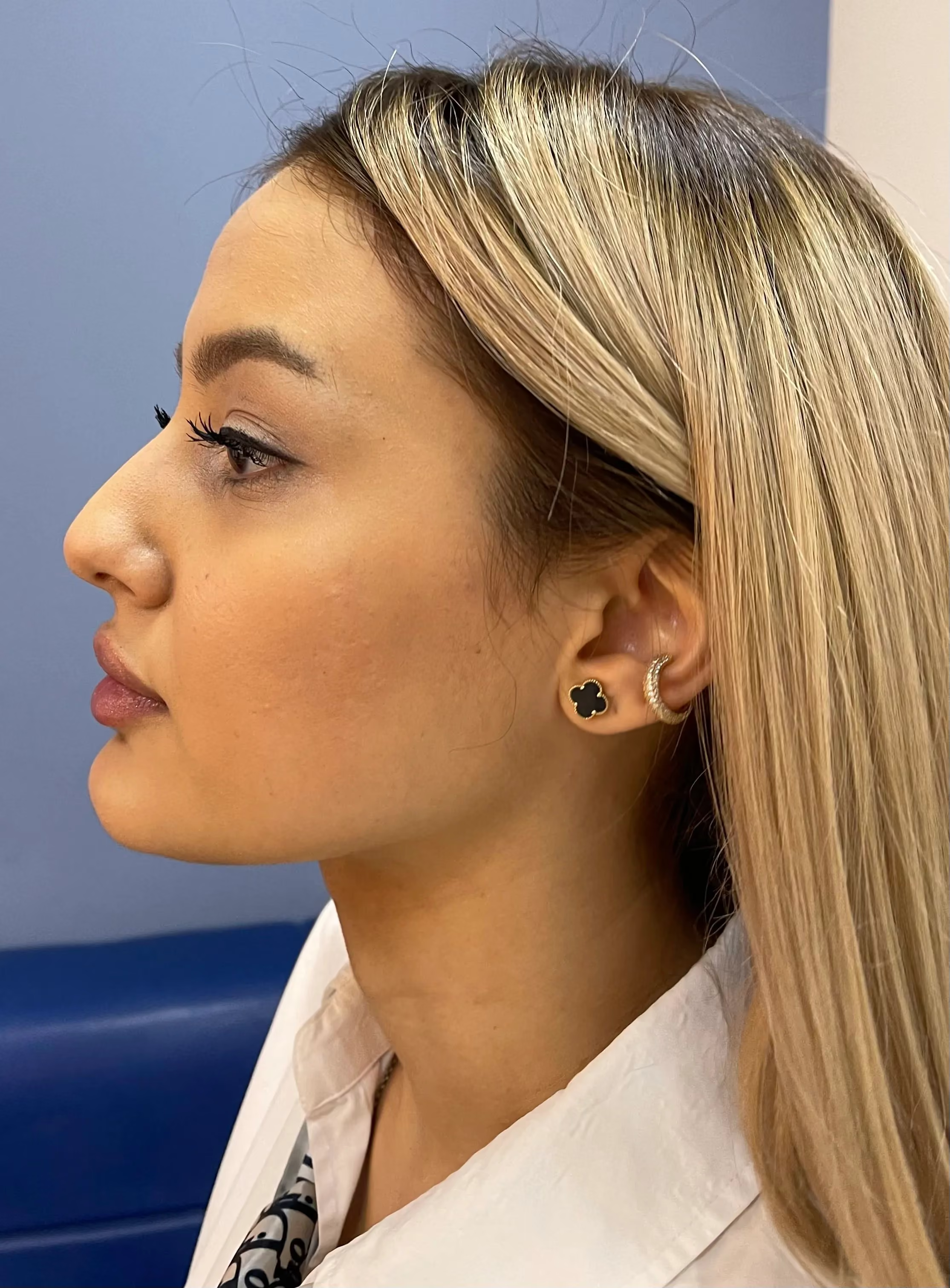
How to take assessment photographs
- Ask another person to take the photographs from approximately 1–1.5 metres away.
- Keep the camera at nose level and use the rear camera when possible.
- Use even natural light, a plain light background and no beauty filters.
- Keep the face relaxed, hair away from the face and eyes open.
- Send clear, original-resolution images rather than screenshots.
Please provide these views
Submit photographs for assessment
Include your age, breathing symptoms, previous nasal surgery or trauma, medical history and the changes you would like to discuss.
Medically reviewed by Dr. Telman Arakelyan. Last reviewed: July 2026. Digital simulation does not replace clinical examination or informed consent.
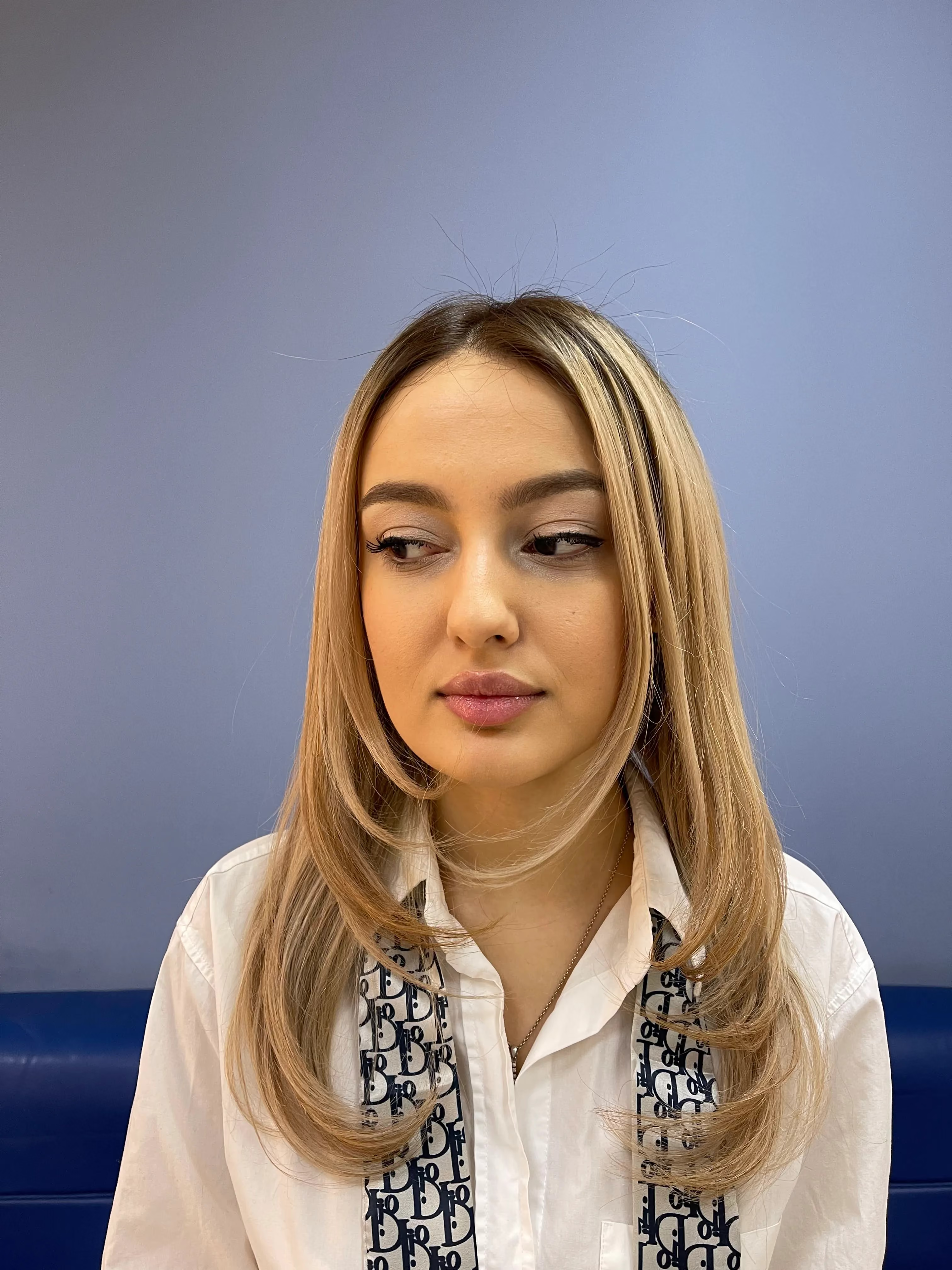
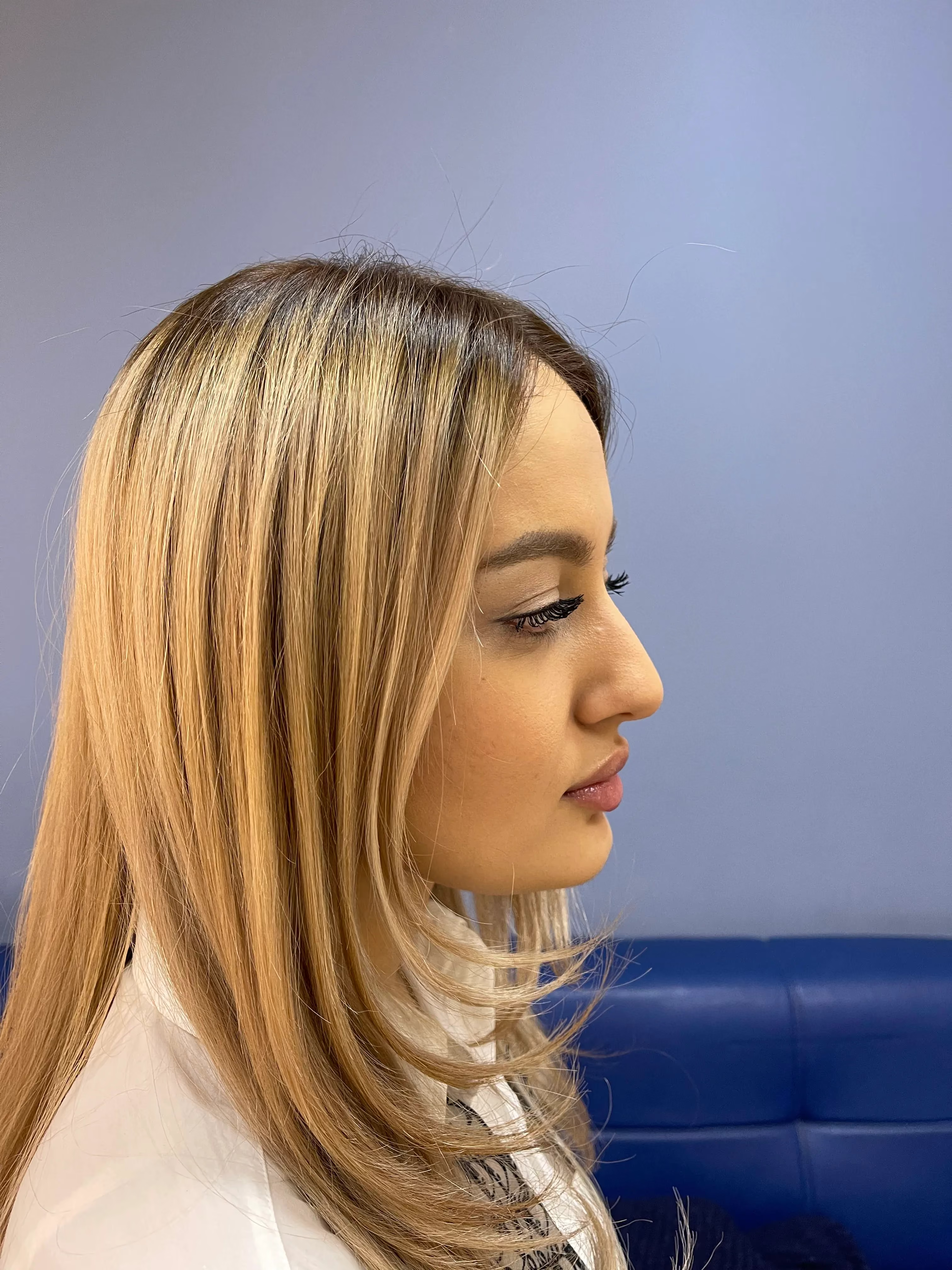
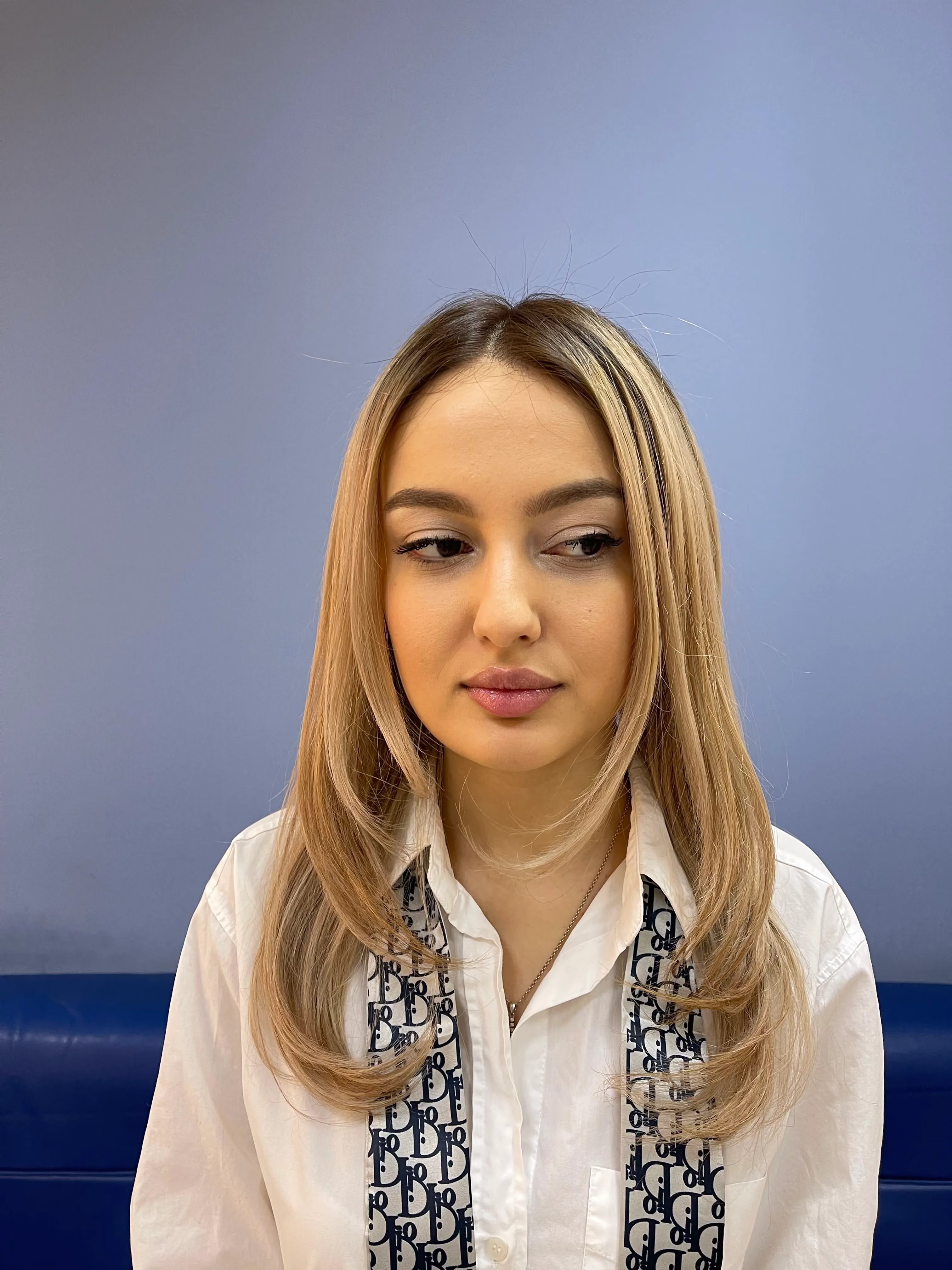
Representative case documentation
Photographs below are shown in before/after pairs — front view first, then profile view — from a completed rhinoplasty, shared here for illustration only.
This consultation form requires JavaScript to submit securely. If the form does not load in your browser, please call +374 55 775 705, message us on WhatsApp at +374 55 775 705, or email telmanarakelyan@doctor.com.