Individualized facial rejuvenation planned around the jawline, neck, midface and natural facial proportions.
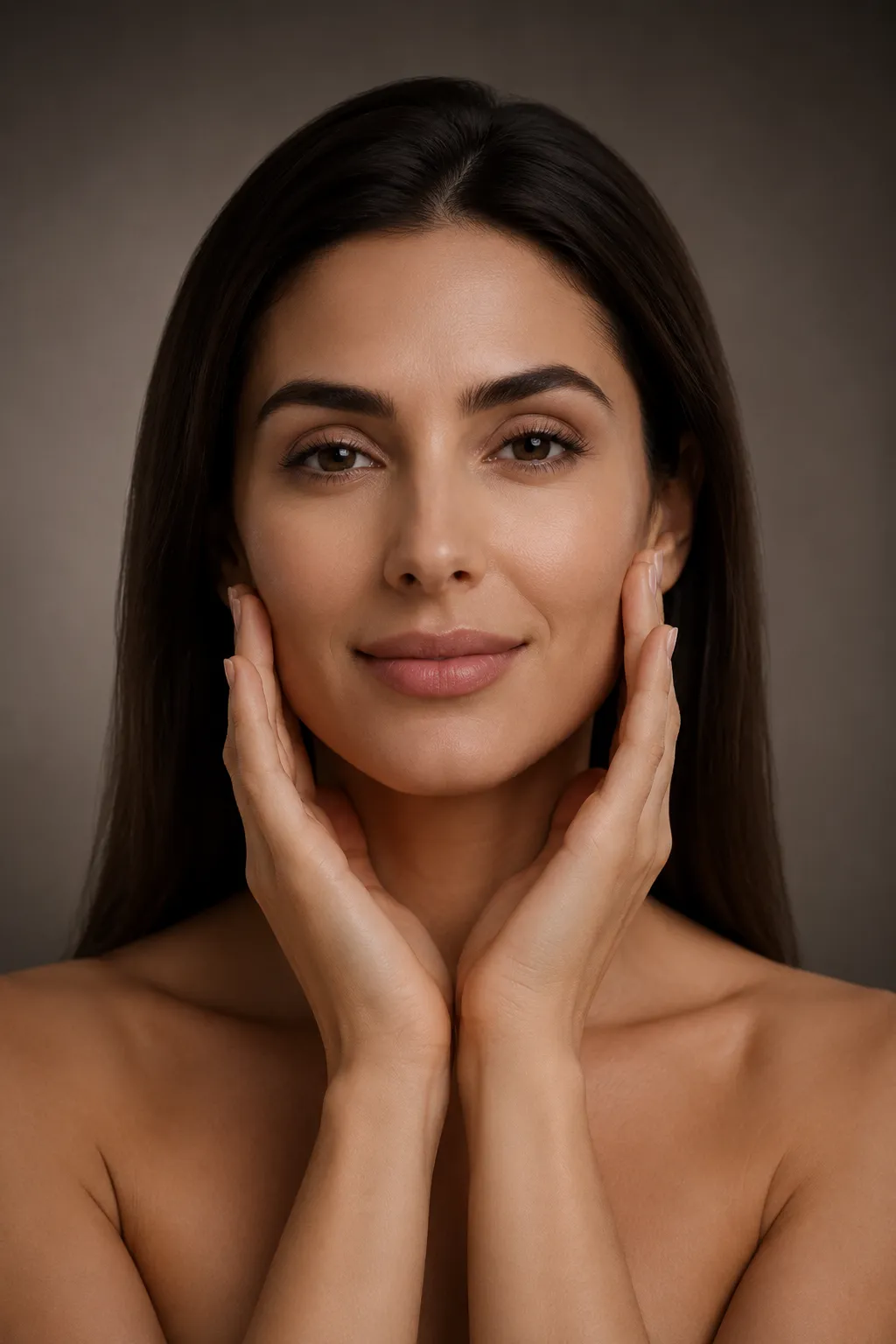
Deep-plane facial rejuvenation
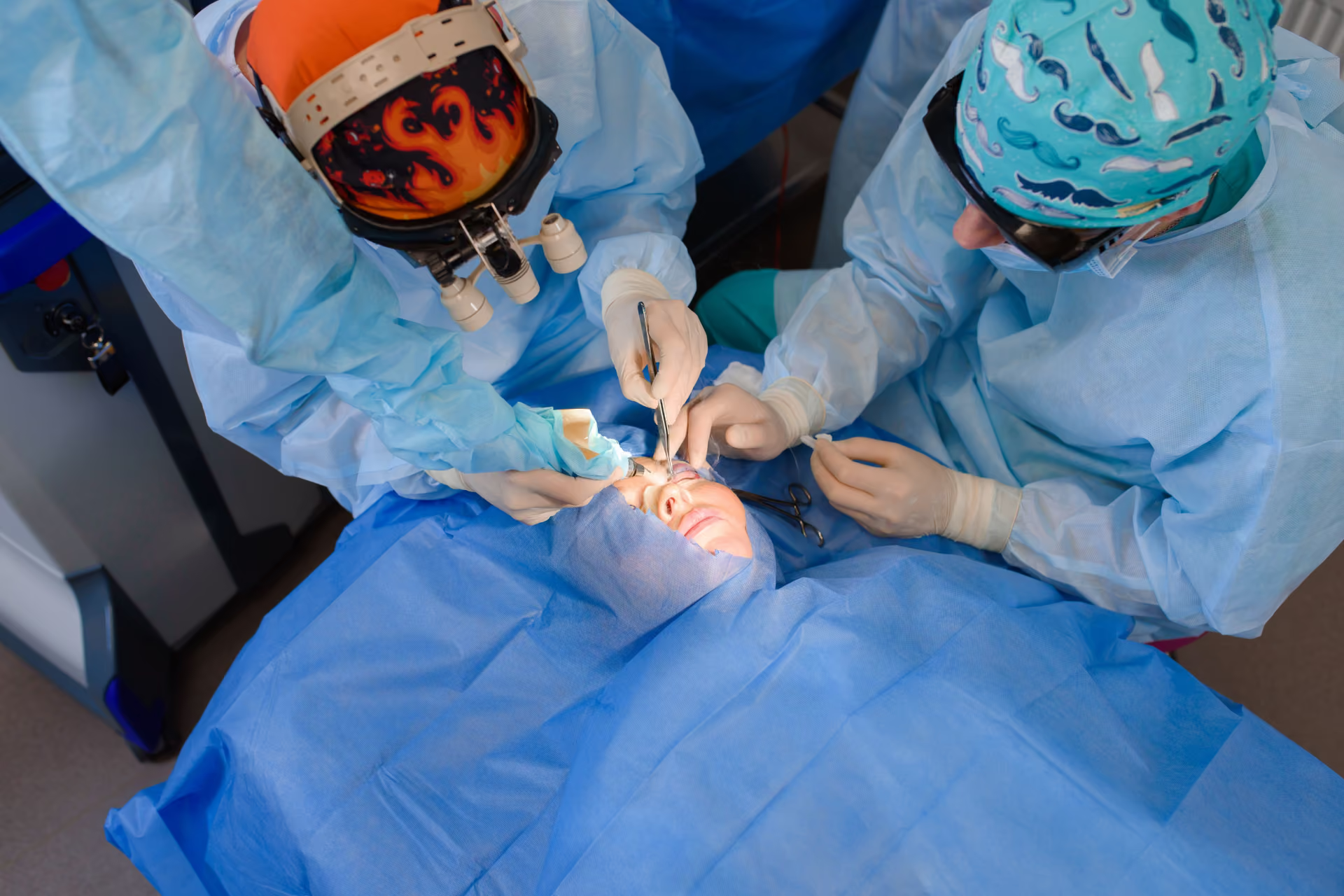
A deep-plane face and neck lift addresses ageing in the lower face, jawline, midface and neck by repositioning deeper tissues rather than relying only on skin tension. The aim is a refreshed appearance that preserves the patient’s individual features.
During consultation, Dr. Telman Arakelyan assesses skin quality, facial structure, neck anatomy, previous procedures, medical history and the patient’s priorities. Brow lift, eyelid surgery, fat grafting or chin augmentation may be discussed when they could improve overall balance, but additional surgery is never treated as a routine requirement.
The deep-plane technique repositions the deeper supporting layers of the face as a connected unit. This can reduce the need for strong skin tension and create a smoother transition between the cheek, jawline and upper neck. The exact extent of surgery and neck correction depends on individual anatomy and cannot be determined from photographs alone.
Neck treatment may include work on the platysma muscle and removal of selected tissue beneath the chin. When chin projection is limited or the position of the hyoid bone restricts the profile, the expected improvement and anatomical limitations are discussed before treatment.
These cases illustrate how facial and neck changes are assessed from several views. The surgical plan and achievable degree of correction depend on each patient’s anatomy, skin quality and previous treatment.
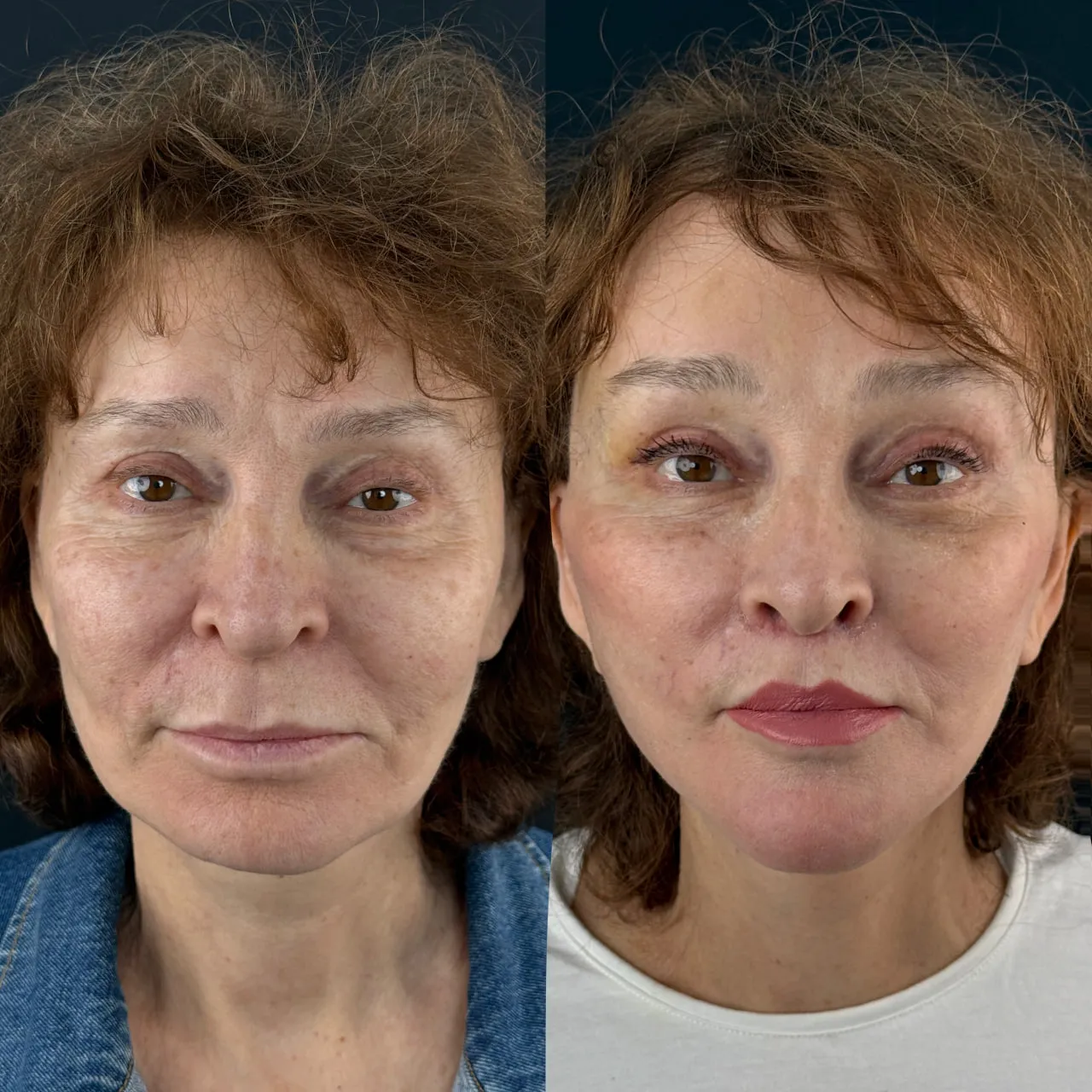
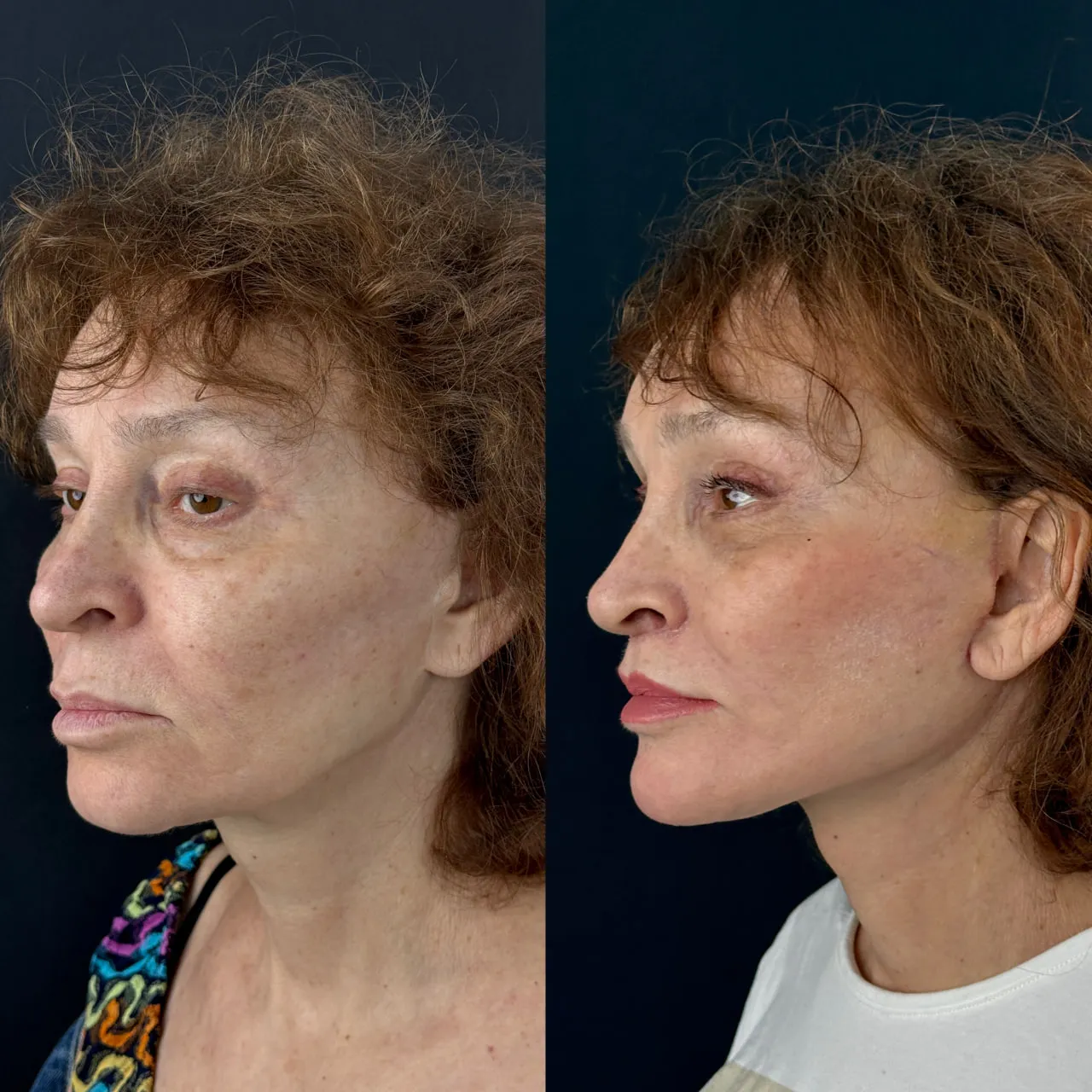
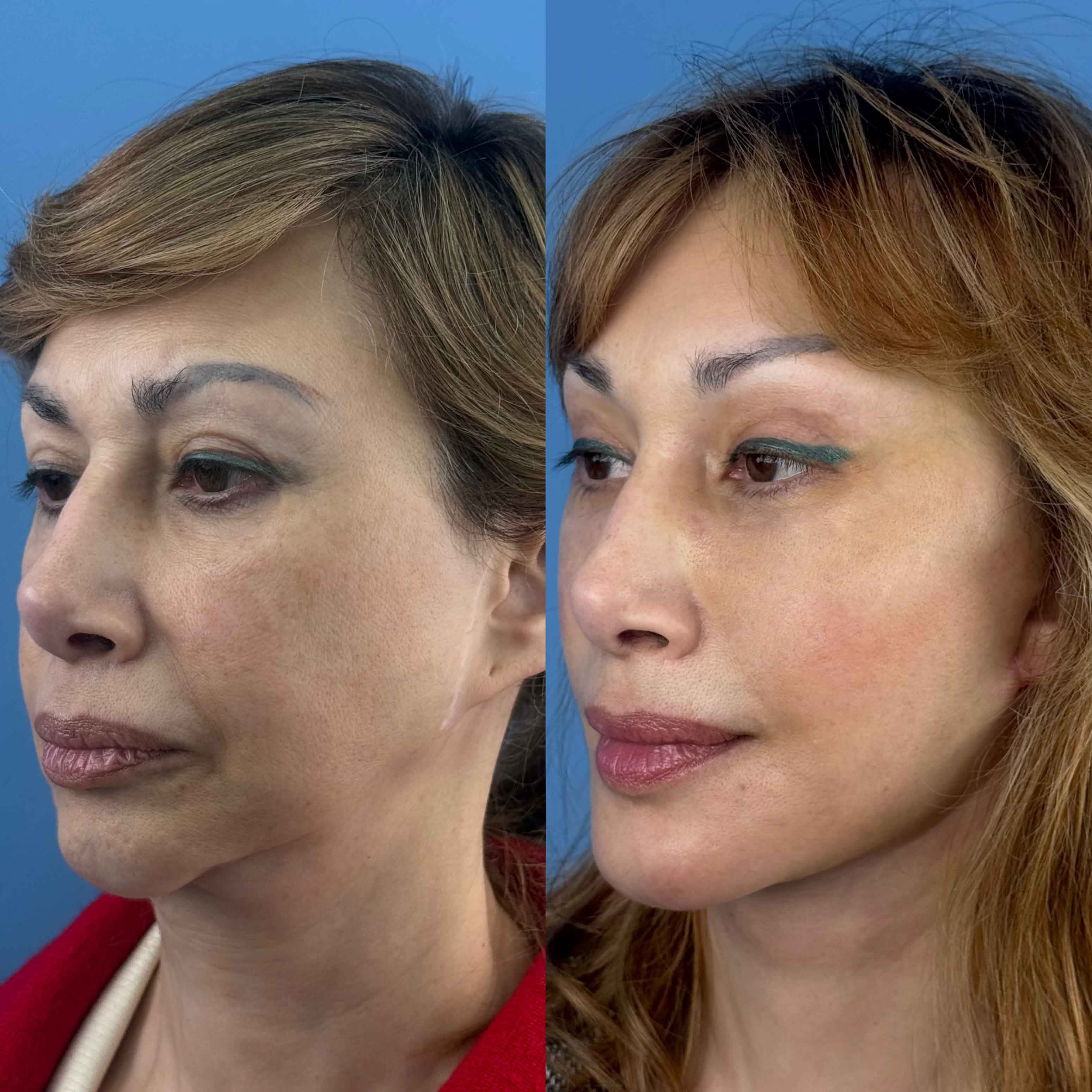
Individual anatomy, recovery and results vary. Images are shown with patient consent and do not guarantee a particular outcome.
Suitable candidates are generally healthy adults with meaningful face or neck laxity who understand that surgery improves specific anatomical concerns rather than creating a different identity. Smoking, uncontrolled medical conditions, clotting disorders, previous facial surgery, certain medications, fillers or thread procedures may affect the plan or timing. A complete medical assessment is required before surgery is confirmed.
Recovery is progressive rather than immediate. Swelling, bruising, tightness and temporary sensory changes are expected, and the pace of improvement varies with the extent of surgery, individual healing and any combined procedures. The stages below are practical guides rather than guaranteed deadlines.
Hospital observation and early postoperative review are planned according to the procedure. Swelling, bruising and tightness are expected. Head elevation, wound care and drain management are individualized.
Swelling and bruising may remain prominent. Gentle walking is encouraged, while strenuous activity and bending are limited. International patients generally remain in Yerevan for planned reviews.
Visible bruising often improves and many patients resume low-demand or social activities, depending on recovery. Residual swelling, firmness and tightness are still normal.
Activity is increased gradually and exercise resumes only after surgical clearance. Tissues continue settling, while scars may remain pink, firm or noticeable.
Facial and neck contours become more refined as residual swelling resolves and tissues soften. Scar maturation continues for many months and varies between patients.
The result becomes clearer as swelling decreases and the tissues soften. Residual swelling, firmness and scar maturation can continue for several months. Facial ageing continues naturally, and the duration of improvement depends on anatomy, skin quality, lifestyle and the operation performed.
A face and neck lift repositions descended facial and neck tissues, but it does not correct every sign of ageing or every anatomical limitation.
Adjunctive treatments may be discussed only when the anatomy and the patient’s goals justify them.
Every operation involves risk. Possible complications include bleeding, infection, delayed healing, scarring, asymmetry, fluid collection, temporary or lasting sensory changes, hairline changes, skin injury, and temporary or permanent weakness of facial-nerve branches. Anaesthetic and thromboembolic risks also require consideration. Consultation determines whether the expected benefit justifies these risks for the individual patient.
The plan aims to restore tissue position without excessive skin tension. No technique can guarantee a particular appearance; realistic expectations are discussed using clinical examination and photographs.
Incisions are generally placed around the ear and within or near the hairline. Scar quality varies and continues to mature for many months.
Combined surgery may be appropriate when several areas contribute to facial ageing. The safest and most balanced plan is determined after medical and anatomical assessment.
Photographs and video consultation provide a preliminary assessment. Final recommendations depend on in-person examination and preoperative evaluation in Yerevan.
Send clear front, profile and three-quarter photographs together with your age, medical history, previous operations and the changes you would like to discuss.
Medically reviewed by Dr. Telman Arakelyan, plastic and maxillofacial surgeon. Last reviewed: July 2026. This information is general and does not replace an in-person consultation.