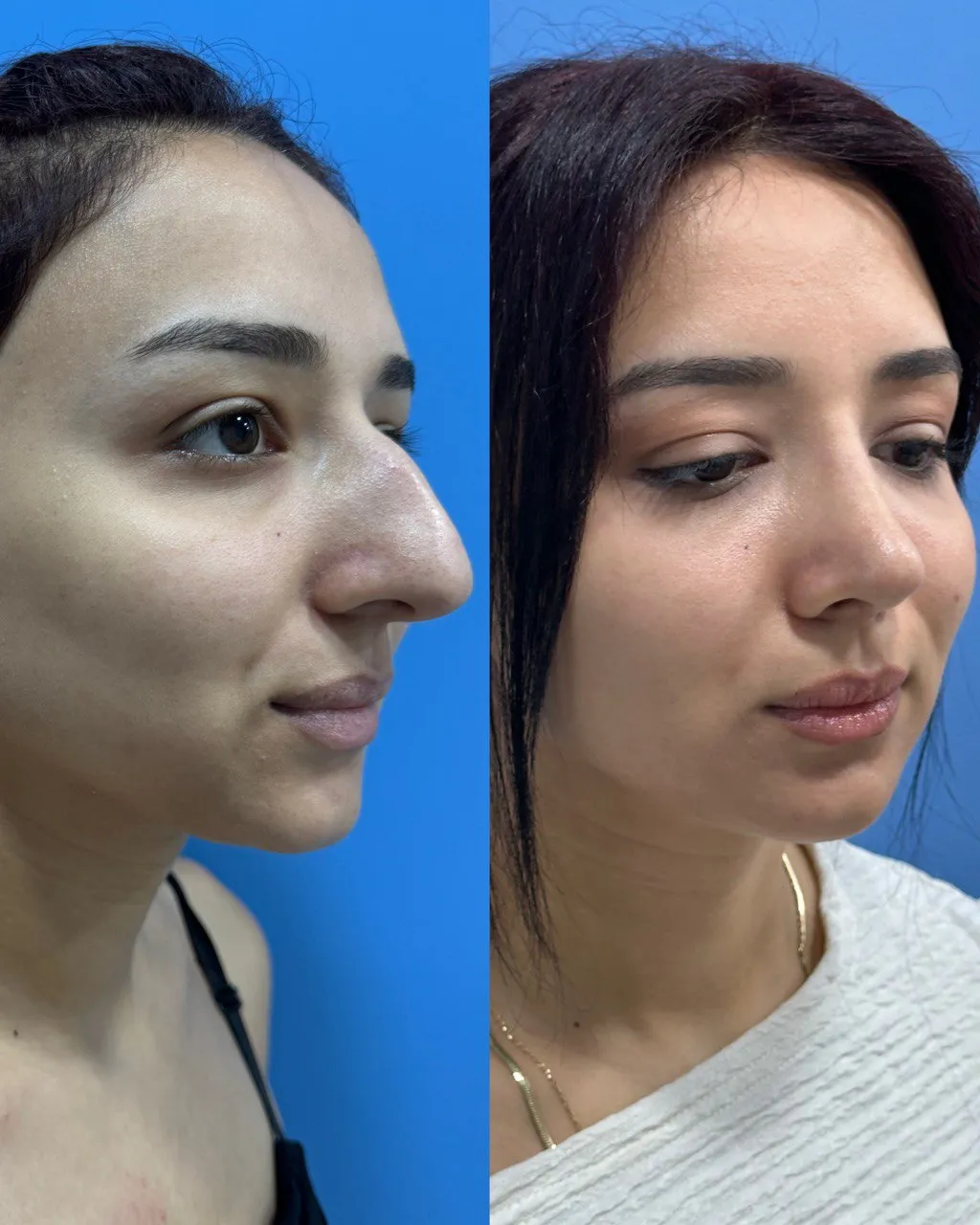
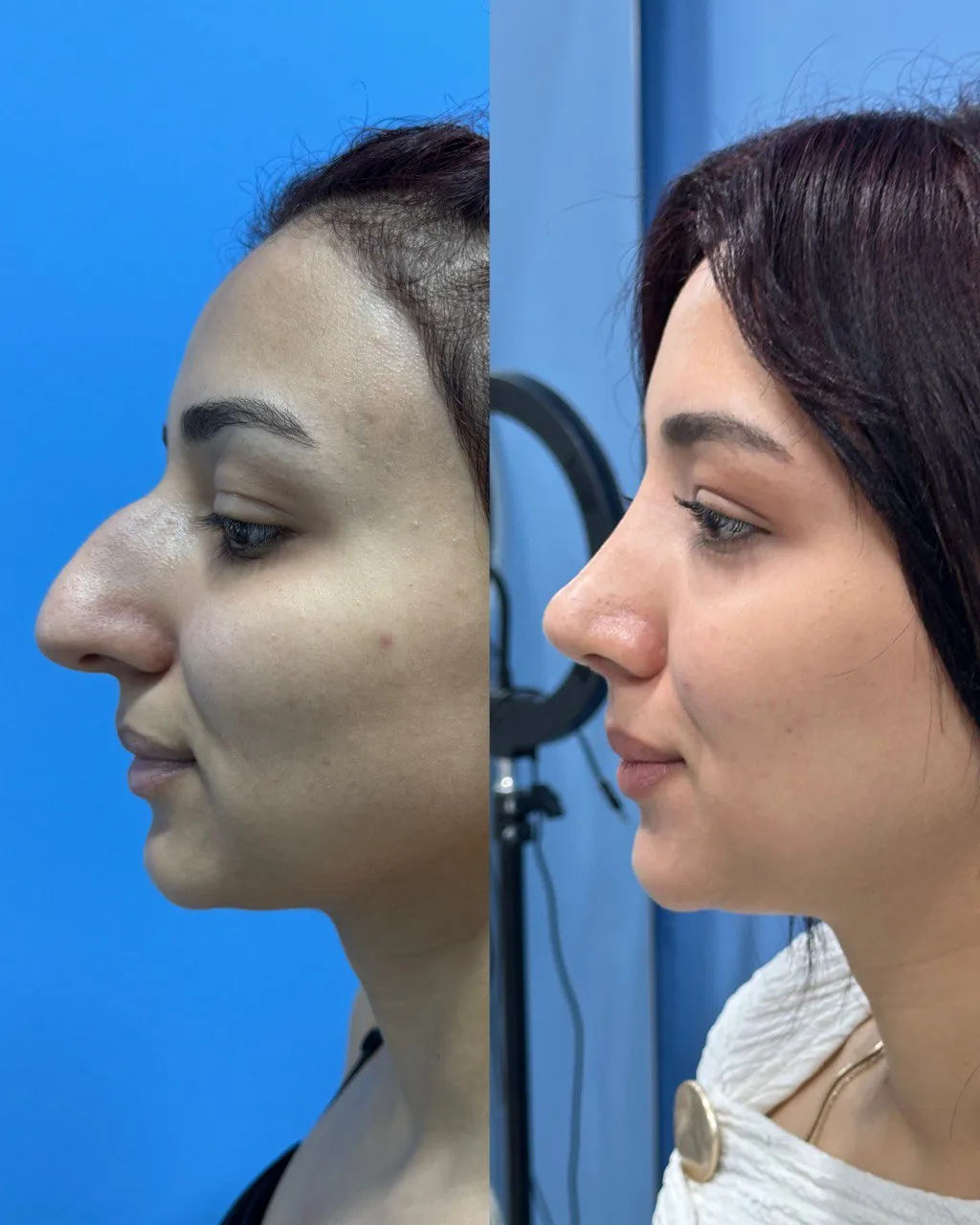
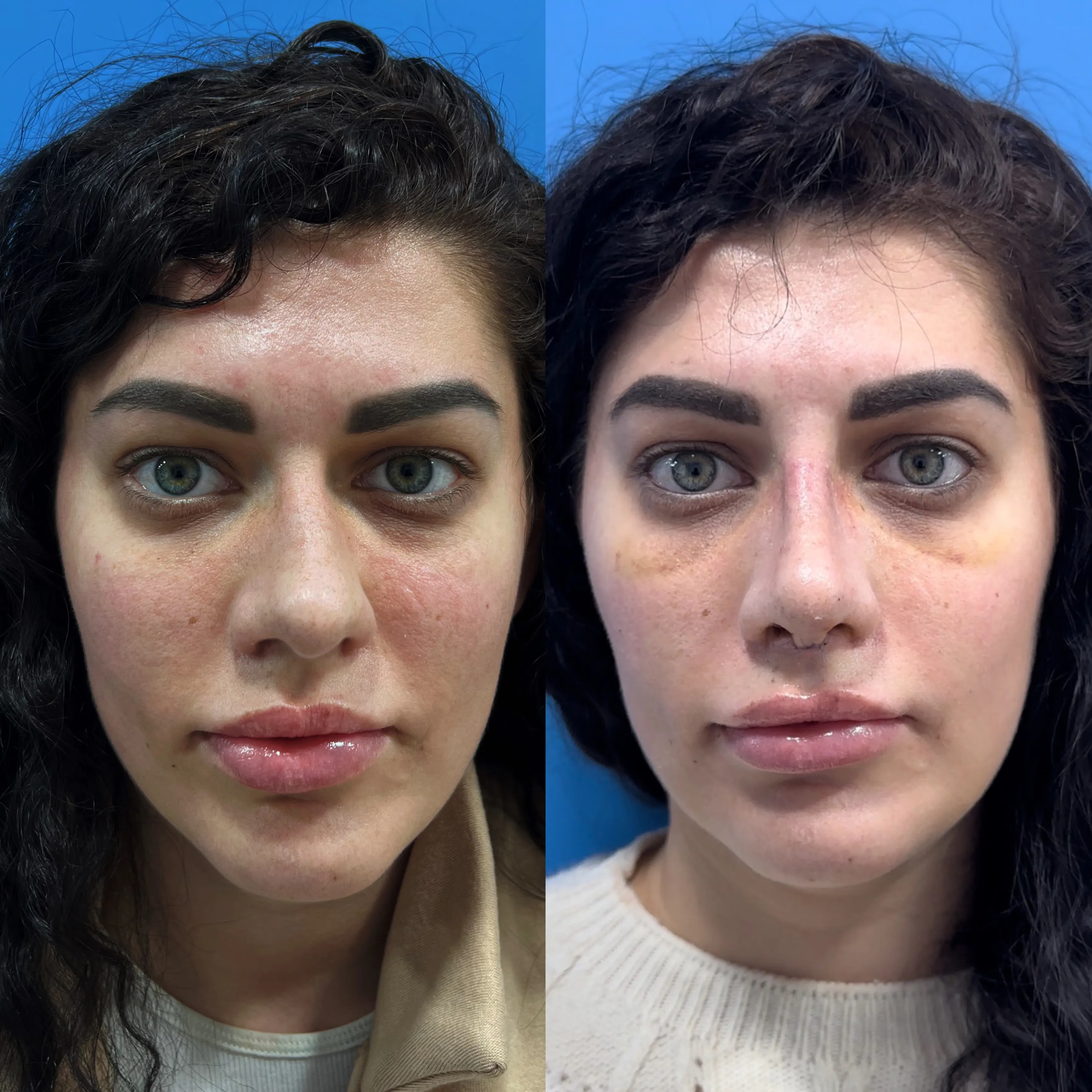
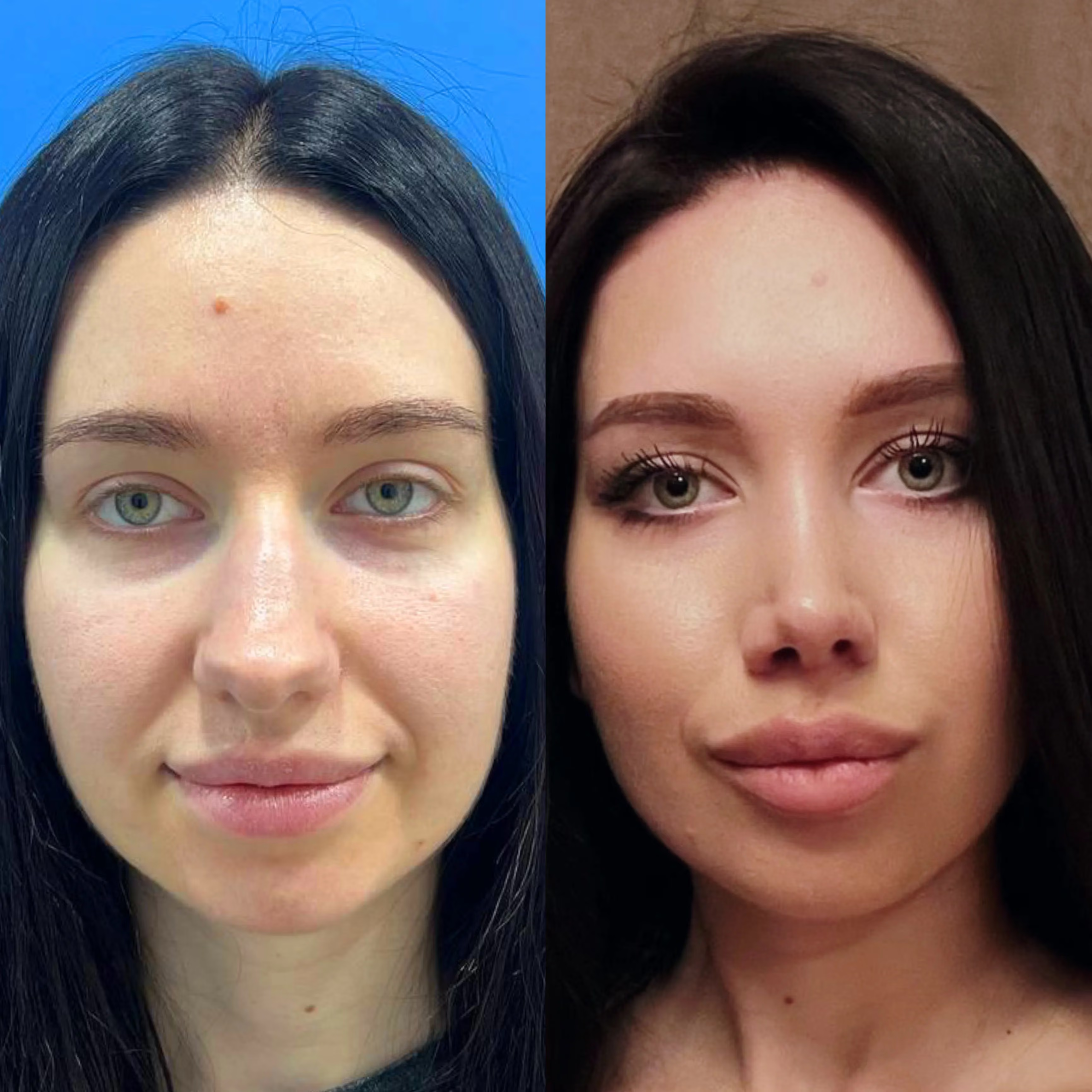
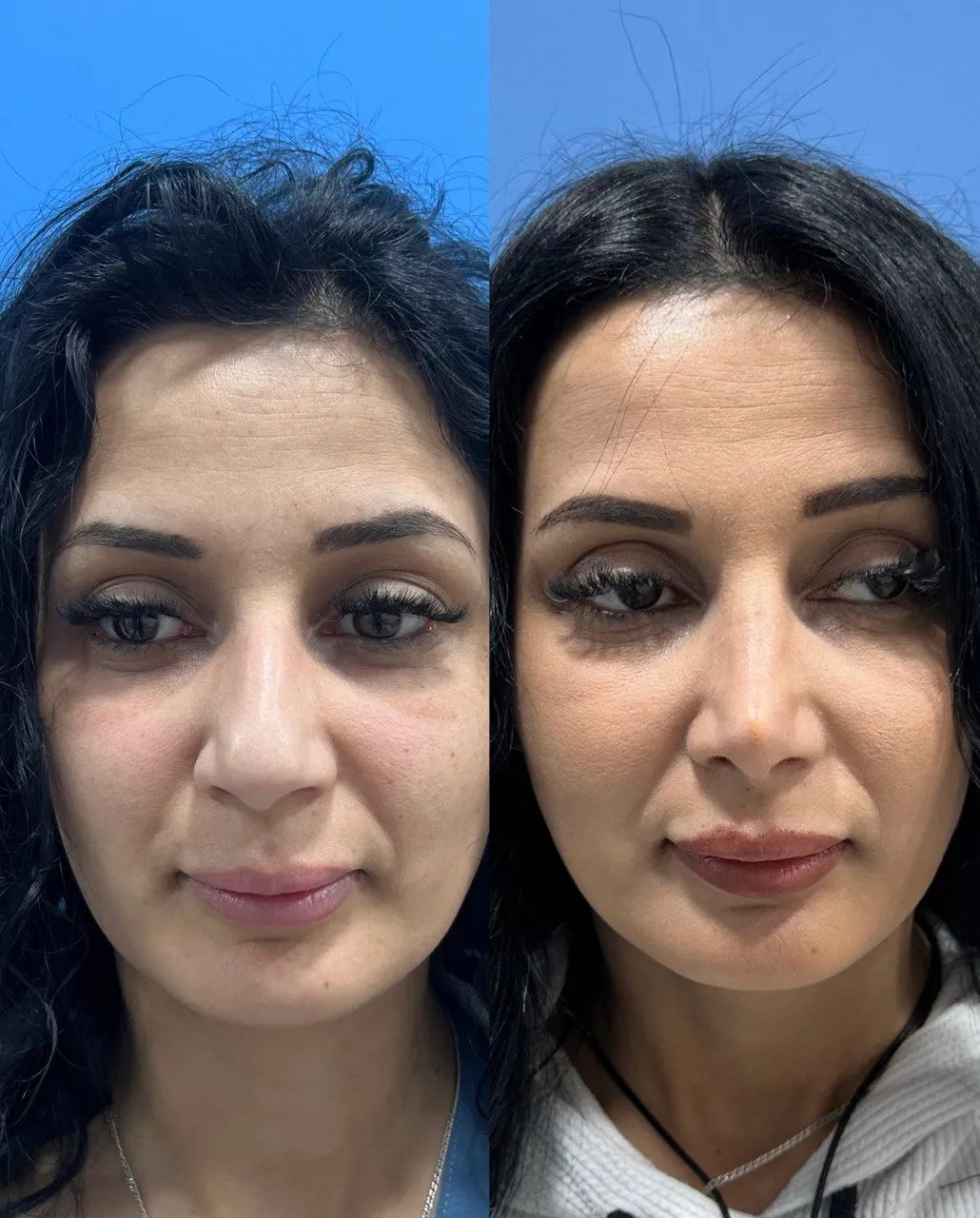
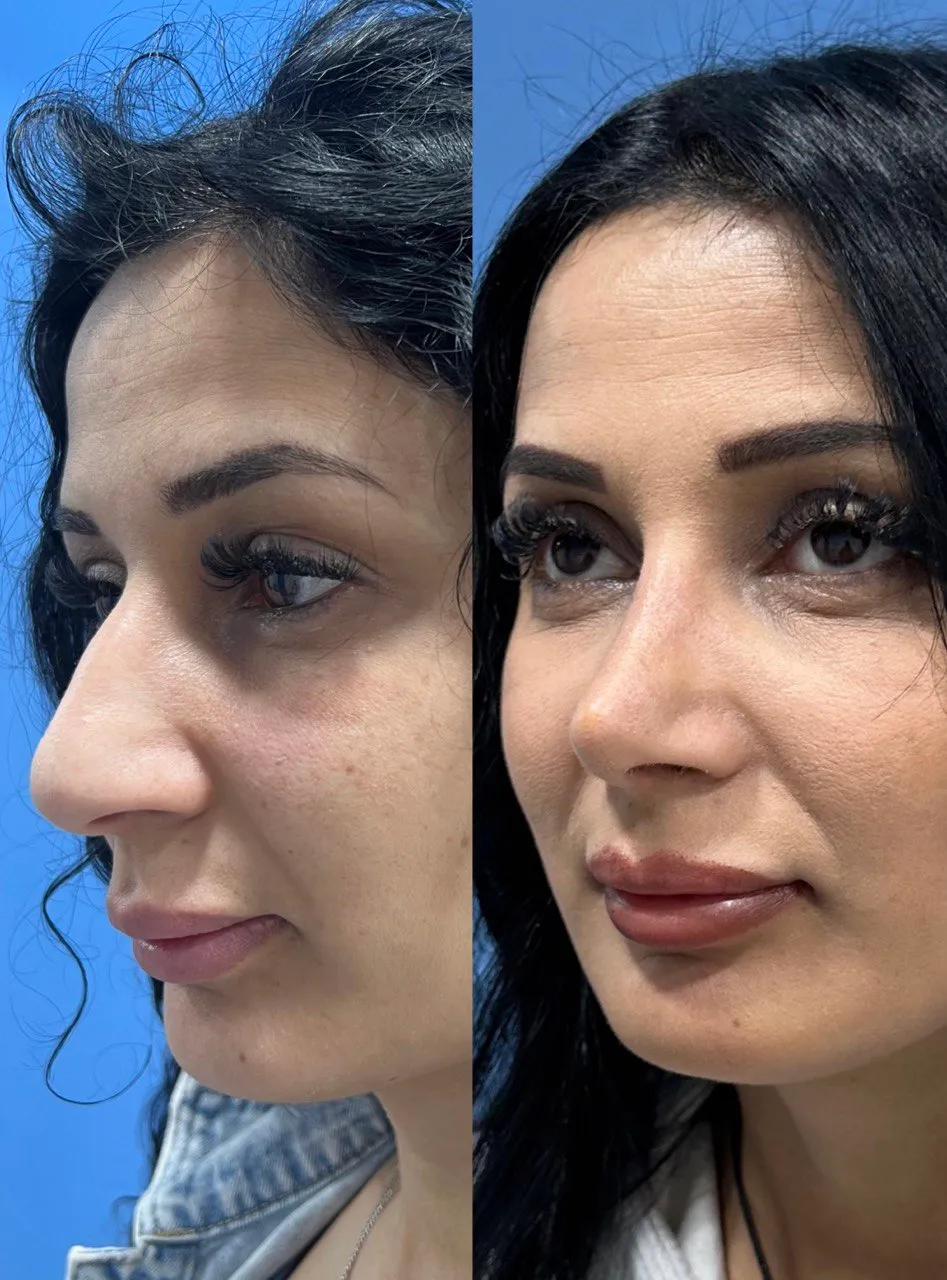
Эстетическая и функциональная хирургия носа
Ринопластика, спланированная для всего лица, а не изолированно для носа
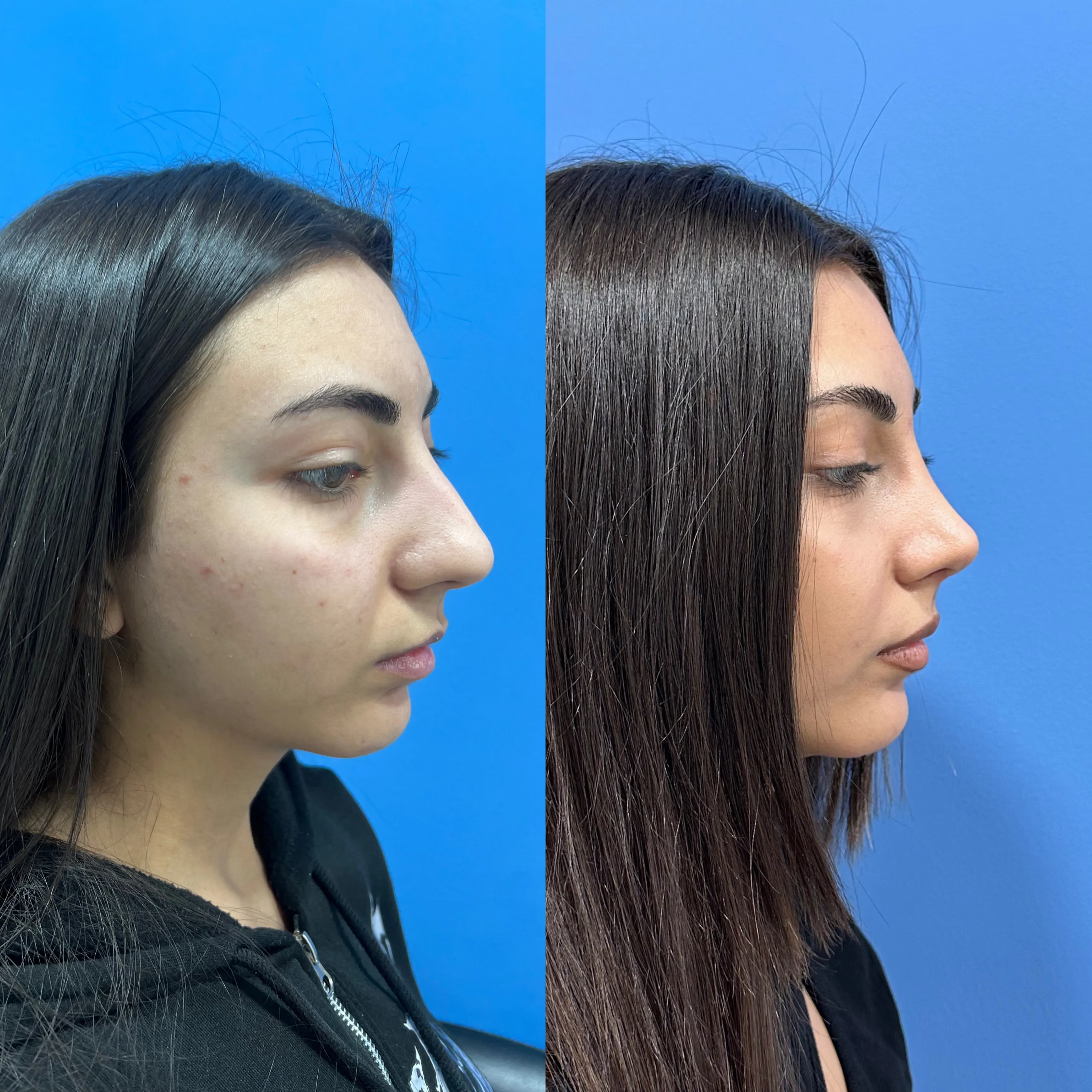
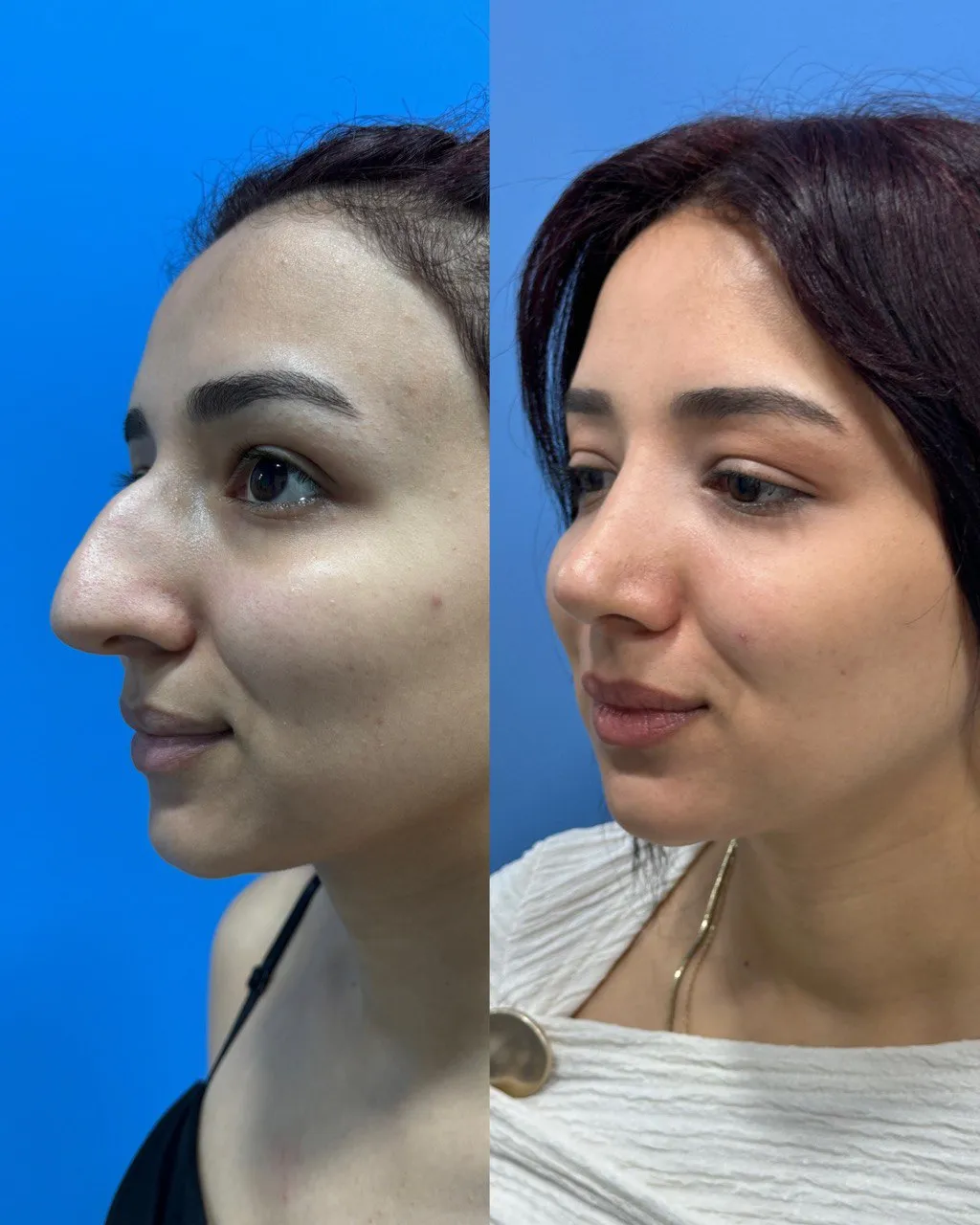
Ринопластика может изменить форму, пропорции и опорную структуру носа, а также устранить отдельные причины затруднённого носового дыхания. Цель — не создать один «модный» нос, а разработать план, учитывающий структуру лица, толщину кожи, этнические особенности, дыхание и приоритеты пациента.
Наиболее частые пожелания
- Горбинка на спинке носа или неровный профиль
- Широкий, опущенный, недостаточно или чрезмерно выступающий кончик носа
- Асимметрия или чрезмерная ширина ноздрей
- Нос, который кажется слишком длинным, коротким, широким или узким для лица
- Посттравматические изменения или неудовлетворительный результат предыдущей операции
- Затруднённое носовое дыхание, связанное с искривлением перегородки или структурными проблемами
Ваша консультация
Оценка включает осмотр анфас, в профиль, в три четверти и снизу, а также качество кожи, прочность хрящей, положение перегородки, симптомы затруднённого дыхания и ранее перенесённые операции. Цифровое моделирование может использоваться как инструмент общения, но не гарантирует итоговый результат.
Планирование при толстой и тонкой коже
Более толстая кожа
- Может сглаживать видимость небольших неровностей подлежащих структур
- Может ограничивать выраженность очень тонкой детализации кончика
- Часто дольше сохраняет отёк кончика
- Обычно требует прочной и стабильной хрящевой опоры, а не чрезмерного уменьшения
Более тонкая кожа
- Более отчётливо показывает форму хрящей и небольшие изменения контура
- Может выявлять мелкие неровности, которые скрыла бы более толстая кожа
- Требует особенно точного сглаживания, размещения трансплантатов и контроля симметрии
- Может раньше показывать детализацию, хотя окончательное заживление всё равно требует времени
Ни один тип кожи не является лучше или хуже. Толщина кожи влияет на хирургическую стратегию, реалистичную степень детализации и скорость проявления результата.
Эстетическое и функциональное планирование
Изменения кончика носа обычно влияют на его соотношение со спинкой, ноздрями и верхней губой. По этой причине изолированная коррекция только кончика не всегда даёт наиболее гармоничный результат. План может включать коррекцию кончика, изменение спинки, остеотомию, коррекцию перегородки, структурную пластику или коррекцию основания ноздрей — в зависимости от анатомии.
У пациентов с жалобами на затруднённое дыхание уточняются сторона, длительность, изменчивость симптомов и предыдущее лечение. При подозрении на заболевания пазух, травму, выраженное искривление перегородки или ранее перенесённую операцию может быть рекомендовано дополнительное обследование или визуализация.
Когда могут потребоваться функциональная оценка специалиста или КТ
КТ обычно не требуется только для эстетической ринопластики. Дополнительная функциональная оценка может быть уместна, если симптомы или осмотр указывают на проблему, выходящую за пределы внешней формы носа.
- Стойкое или одностороннее нарушение носового дыхания
- Подозрение на хроническое заболевание пазух, полипы или другую внутриносовую патологию
- Значительная перенесённая травма или сложное искривление перегородки
- Предыдущая операция на носу с неясной внутренней анатомией
- Симптомы, которые недостаточно объясняются первичным осмотром
В зависимости от данных обследование может включать консультацию ЛОР-врача или ринолога, эндоскопию носа, функциональные тесты или КТ. Исследование должно выбираться для ответа на конкретный клинический вопрос, а не назначаться автоматически.
Первичная и повторная ринопластика
Первичная ринопластика выполняется на носу, который ранее не подвергался хирургической коррекции. Повторная (ревизионная) ринопластика устраняет остаточные или новые проблемы после предыдущей операции и, как правило, сложнее из-за рубцовой ткани, изменённой опорной структуры и возможной нехватки хряща перегородки. Для повторной операции может потребоваться хрящ из другого донорского участка; планирование основывается на тщательном осмотре и достаточном времени заживления после предыдущей операции.
Первичная и повторная ринопластика: сравнение
Первичная ринопластика
- Ранее хирургическое изменение формы носа не выполнялось
- Собственные хрящи и тканевые слои обычно более предсказуемы
- В одном плане можно учитывать внешний вид, опору и носовое дыхание
- Восстановление зависит от техники, толщины кожи и объёма структурной коррекции
Повторная ринопластика
- Корректирует проблемы после одной или нескольких предыдущих операций
- Рубцовая ткань и изменённая анатомия повышают сложность
- При недостатке перегородочного хряща иногда рассматривается хрящ ушной раковины или ребра
- Отёк и окончательное формирование результата могут занимать больше времени
Повторная операция не требуется автоматически при каждой ранней неровности. Для окончательного плана обычно необходимы достаточный срок заживления и очный осмотр.
Кому подходит операция
Подходящий кандидат имеет устойчивое пожелание, реалистичные ожидания и состояние здоровья, допускающее плановую операцию. Операцию следует отложить, если заболевания, курение, приём препаратов или незавершённое заживление повышают риск. Для подростков требуется подтверждение достаточной зрелости лицевого скелета и тщательная оценка мотивации и ожиданий.
Поездка в Ереван для ринопластикиПредварительная дистанционная консультация проводится на основе чётких фотографий и медицинской информации. Иностранные пациенты обычно прибывают до операции для очного осмотра, необходимых анализов и окончательного планирования. Наблюдение в стационаре и послеоперационные визиты организуются в Ереване. Часто рекомендуется пребывание около 7–10 дней, точный срок зависит от процедуры и восстановления.Попробовать цифровое моделирование ринопластики Восстановление и формирование результата
В первые дни после операции обычно носится шина. Синяки, отёк, временная заложенность и изменения чувствительности — ожидаемые явления. Большая часть видимого отёка сходит в первые недели, однако кончик носа и участки с более плотной кожей могут оставаться отёчными дольше. Форма носа продолжает уточняться в течение многих месяцев, поэтому ранние фотографии не отражают окончательный результат.
Типичная динамика отёка и формирования результата
Дни 1–7 — Ожидаются отёк, заложенность и синяки. Обычно используется шина, и на этом этапе оценивать форму носа не следует.
Недели 2–4 — Значительная часть заметного отёка лица обычно уменьшается. Остаточный отёк носа, плотность тканей и временная асимметрия остаются обычными.
Месяцы 1–3 — Спинка носа часто выглядит более сформированной, тогда как кончик может оставаться округлым, плотным или временно неровным по мере изменения отёка.
Месяцы 3–6 — Детализация обычно улучшается. При толстой коже, значительной коррекции кончика и повторной операции формирование часто идёт медленнее.
Месяцы 6–12 — Тонкие изменения продолжаются, особенно в области кончика и ноздрей. Фотографии становятся более показательными для оценки результата.
Месяцы 12–18+ — Многие первичные случаи близки к зрелому результату. При толстой коже или повторной операции изменения могут продолжаться 18–24 месяца.
Это общий ориентир, а не обещание. Скорость заживления зависит от толщины кожи, хирургической техники, трансплантатов, предыдущих операций и индивидуальной реакции тканей.
Пациенты получают индивидуальные рекомендации по уходу за носом, положению во время сна, физической активности, ношению очков, поездкам и последующему наблюдению. В период заживления следует избегать травм носа.
Риски и ограничения
Возможные осложнения включают кровотечение, инфекцию, рубцевание, асимметрию, неровности контура, стойкий отёк, изменения обоняния или чувствительности, затруднённое дыхание, перфорацию перегородки, повреждение кожи или мягких тканей, а также возможную необходимость повторной операции. Идеальная симметрия не может быть гарантирована, а процесс заживления может изменить технически хорошо спланированный результат. Эти ограничения обсуждаются до операции.
Можно ли оставить горбинку, изменив только кончик носа?
Иногда да, но изменение кончика меняет визуальное соотношение со спинкой носа. Наиболее сбалансированный план часто требует рассмотрения обеих зон вместе, а не изолированной коррекции кончика.
Показывает ли моделирование точный результат?
Нет. Моделирование помогает хирургу и пациенту обсудить направление и пропорции. Биологические особенности, поведение тканей и процесс заживления не позволяют ни одной симуляции гарантировать точное изображение результата операции.
Когда рассматривается повторная операция?
Небольшие ранние неровности часто сглаживаются по мере схождения отёка. Повторная операция рассматривается только после достаточного заживления, за исключением случаев, когда конкретная неотложная медицинская проблема требует более раннего лечения.
Можно ли одновременно улучшить дыхание и внешний вид носа?
Часто это можно оценить в рамках одной операции, но подходящее функциональное лечение зависит от причины затруднённого дыхания и результатов осмотра.
Запросить оценку для ринопластики
Отправьте фотографии анфас, в профиль, в три четверти и снизу вместе с описанием симптомов затруднённого дыхания, ранее перенесённых операций, анамнеза и изменений, которые вы хотели бы обсудить.
Медицинская информация проверена доктором Тельманом Аракеляном, пластическим и челюстно-лицевым хирургом. Последняя проверка: июль 2026 г. Эта страница содержит общую информацию и не заменяет индивидуальную консультацию.