
Профиль и баланс лица
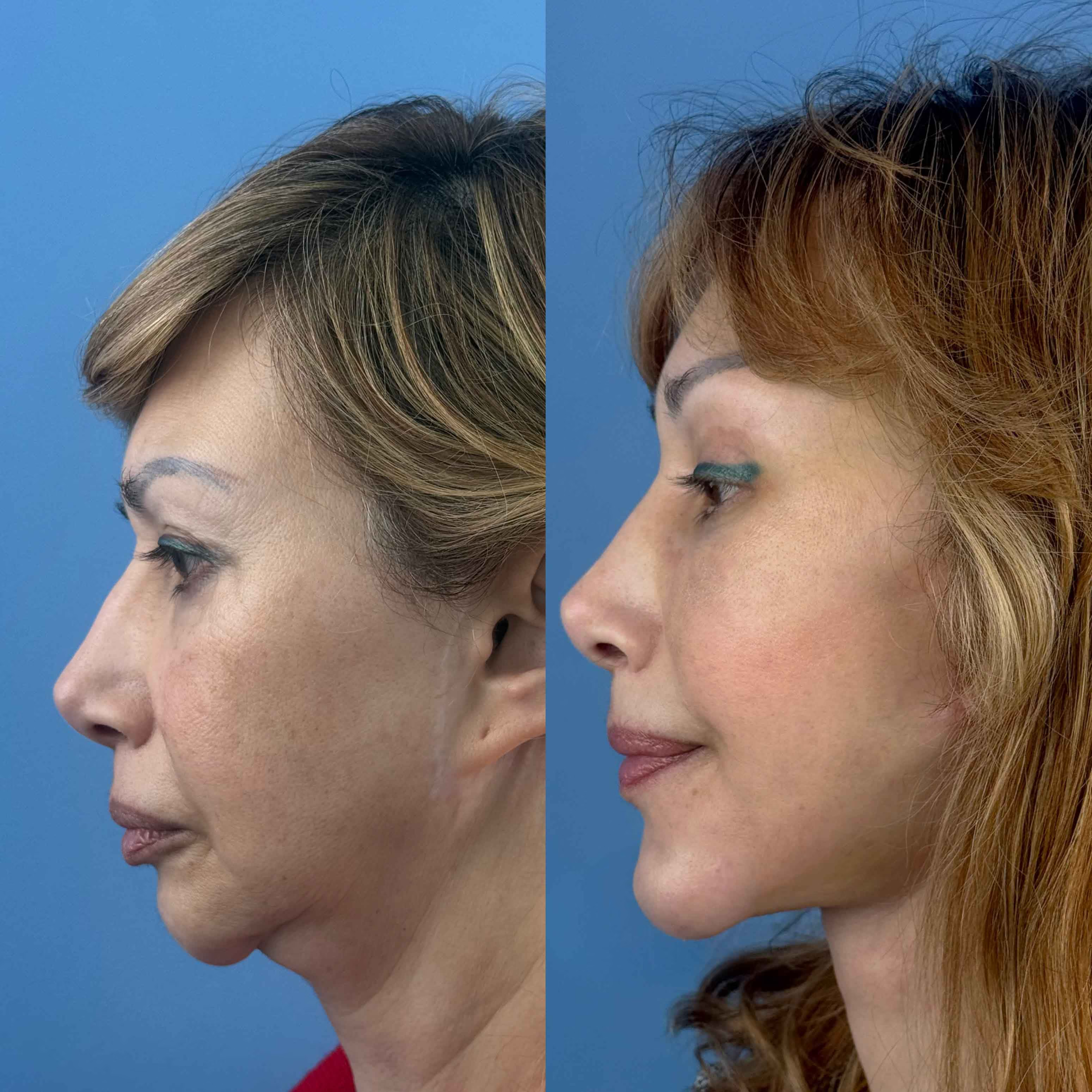
Контуринг лица может включать увеличение подбородка, липофилинг или отдельные процедуры на мягких тканях для улучшения баланса между носом, губами, линией челюсти и шеей. Он может улучшить пропорции, но не гарантирует идеальную симметрию и не исправляет все проблемы костной структуры или прикуса.
Имплант подбородка может улучшить слабый профиль, визуальную выраженность носа и чёткость линии нижней челюсти. Ширина, проекция и положение импланта выбираются с учётом ширины лица, прикуса, анатомии шеи и толщины мягких тканей. При значительных нарушениях прикуса или положения челюстей может потребоваться ортодонтическая или челюстно-лицевая оценка.
Липофилинг может восстановить объём в отдельных зонах, включая щёки, виски и переход между веком и щекой. Часть пересаженного жира естественным образом рассасывается, поэтому сохранённый объём индивидуален и иногда может потребоваться дополнительная коррекция. Липофилинг не устраняет выраженный избыток кожи.
Подходящими кандидатами являются здоровые взрослые с конкретной анатомической проблемой и реалистичными ожиданиями. При планировании оцениваются симметрия лица, прикус, проекция подбородка и челюсти, анатомия шеи, качество кожи, ранее выполненные филлеры и операции. Фотографии и видеоконсультация позволяют провести предварительную виртуальную оценку, но окончательная рекомендация требует очного осмотра в Ереване. Иностранным пациентам обычно рекомендуется оставаться в городе около 7–10 дней в зависимости от процедуры.
В раннем периоде возможны отёк, синяки, уплотнение и временное онемение. Контуры постепенно уточняются по мере уменьшения отёка в последующие недели и месяцы. Риски импланта подбородка включают инфекцию, смещение, асимметрию, заметность краёв, изменение чувствительности, ремоделирование кости и возможную необходимость удаления или замены. Риски липофилинга включают неровности, асимметрию, кисты, кальцинаты, недостаточную или чрезмерную коррекцию.
Отправьте фотографии анфас, в профиль и в три четверти вместе с информацией о прикусе, ранее выполненных филлерах и изменениях, которые вы хотели бы обсудить. Соответствующие случаи представлены в галерее «До и после».
Медицинская информация проверена доктором Тельманом Аракеляном, пластическим и челюстно-лицевым хирургом. Последняя проверка: июль 2026 г. Выбор метода лечения требует клинического осмотра и индивидуального планирования.