Омоложение верхней трети лица
Подтяжка бровей устраняет их опущение, нависание верхнего века, связанное с положением бровей, и тяжесть в области лба. Она не гарантирует одинаковую высоту бровей, не удаляет все морщины лба и не останавливает дальнейшее старение. Цель — улучшить положение бровей, сохранив естественное выражение лица и индивидуальную асимметрию.
В зависимости от анатомии, линии роста волос, высоты лба и зоны, требующей коррекции, может рассматриваться эндоскопическая, височная или другая методика подтяжки бровей. Верхняя блефаропластика оценивается отдельно, поскольку удаление кожи века не устраняет все случаи опущения бровей.
Кандидаты должны иметь состояние здоровья, допускающее плановую операцию, и реалистичные ожидания относительно симметрии, рубцов и степени подтяжки. Высокая линия роста волос, предыдущие операции, выпадение волос, курение и некоторые заболевания могут влиять на методику. Фотографии и видеоконсультация позволяют провести предварительную дистанционную оценку, но окончательное планирование требует очного осмотра движения бровей, функции лицевого нерва, линии роста волос и соотношения с веками.
В раннем периоде возможны отёк, синяки, чувство стянутости, онемение кожи головы и изменение подвижности бровей. Разрезы и фиксация зависят от методики, а контур постепенно стабилизируется в последующие недели. Иностранным пациентам следует прибыть до операции для осмотра и обследований и обычно оставаться в Ереване около 7–10 дней. Возможные осложнения включают кровотечение, инфекцию, замедленное заживление, заметные рубцы, выпадение волос, асимметрию, изменения чувствительности и временную или стойкую слабость ветвей лицевого нерва.
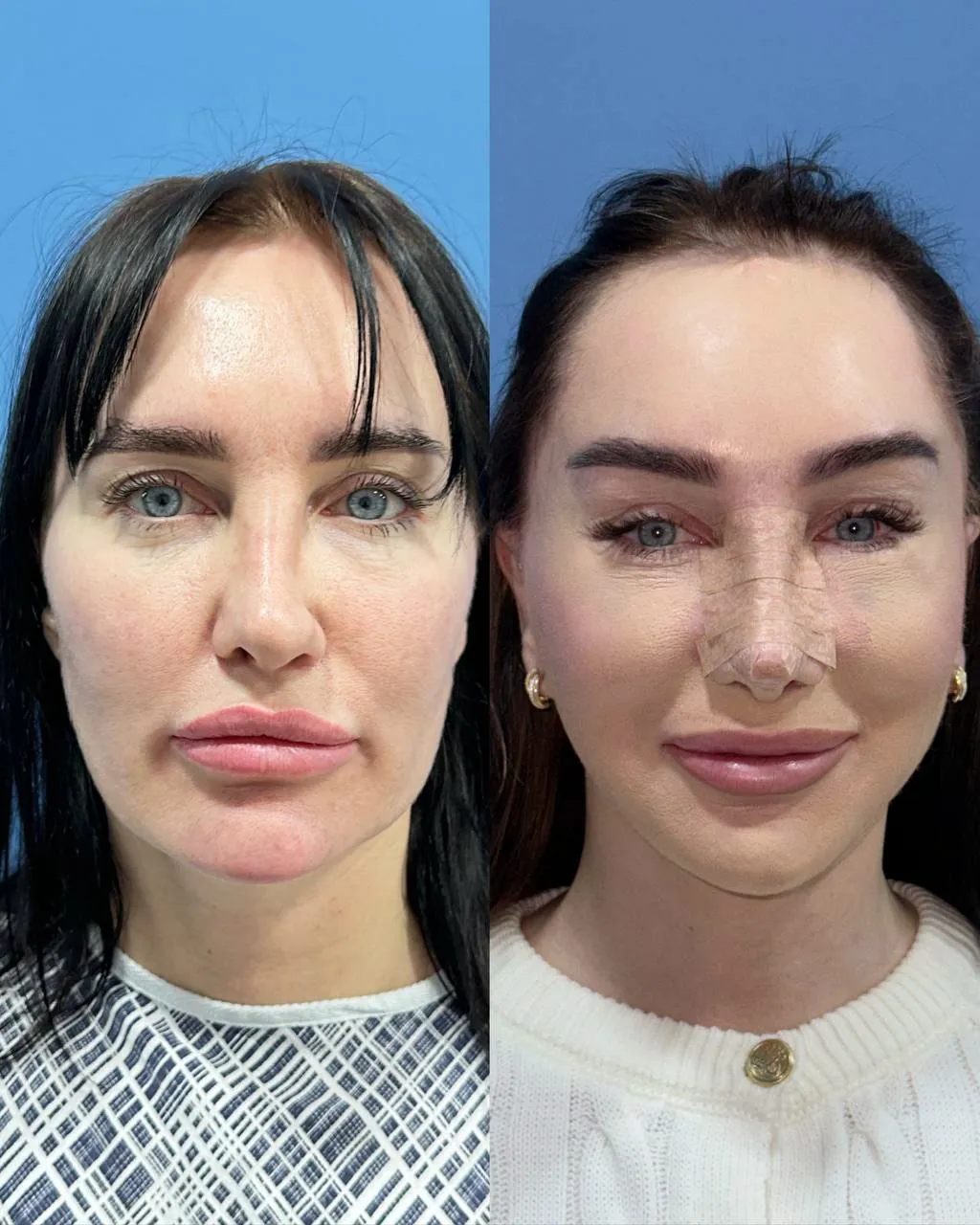
Отправьте фотографии в спокойном состоянии анфас, сбоку и при взгляде вверх, а также информацию о предыдущих операциях на веках или бровях, инъекционных процедурах и желаемых изменениях. Соответствующие случаи подтяжки бровей и комбинированного омоложения верхней трети лица представлены в галерее «До и после».
Медицинская информация проверена доктором Тельманом Аракеляном, пластическим и челюстно-лицевым хирургом. Последняя проверка: июль 2026 г. Общая информация не заменяет очный осмотр.